
Have you ever felt dismissed or judged by your doctor because of the terms they used? You’re not alone. We’ve all heard terms like “incompetent cervix,” “lazy ovary,” or “failure to progress,” and they hurt. These medical terms don’t just hurt emotionally; they can actually affect the quality of care we receive.
In this episode, we’re diving into something that affects many of us but is rarely talked about—how medical language, especially around women’s reproductive health, can be downright dehumanizing.
Think about it—would we call erectile dysfunction “incompetent penis” or baldness “follicular failure”? Probably not. This episode isn’t just about venting; it’s about sparking change. Language shapes perception, and perception shapes care.

Why Words Matter
Studies show that doctors who use stigmatizing language develop more negative attitudes toward their patients. This is especially problematic since medical language is deeply ingrained in their training and documentation. For instance, terms like “geriatric pregnancy” and “advanced maternal age” are being used despite changes in guidelines, simply because insurance coding hasn’t caught up.
That’s why we’re going to share:
- Historical and personal anecdotes to unpack how we got here
- How much of our medical language adds layers of guilt and shame to already painful experiences
- Efforts by business to rename these terms and make medical language more patient-centered
There’s a long way to go, but with continued conversation and advocacy, we can make a difference.
Genate Test + Essential Prenatal + DHA Bundle – Save 49% Today!
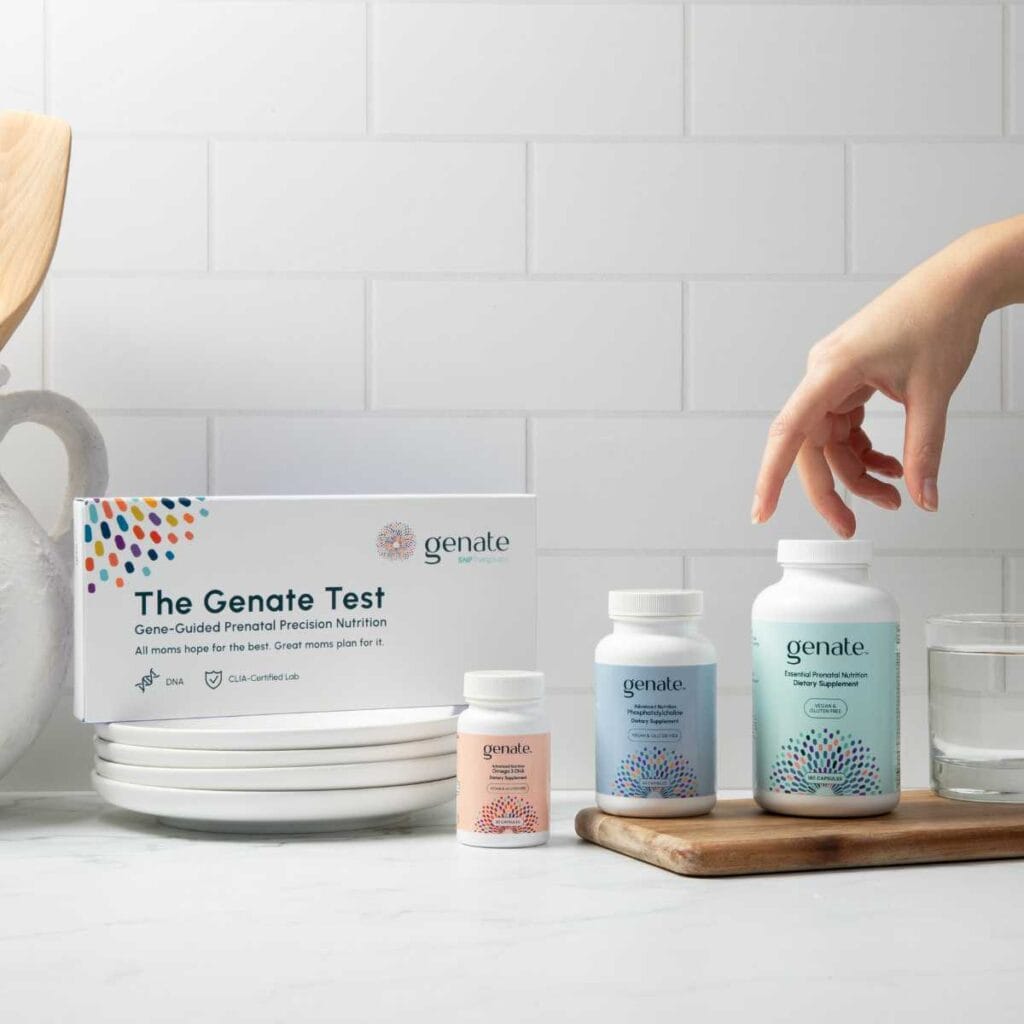
Genate Test + Prenatal + DHA Bundle
- Personalized test results recommending specific daily values based on your unique genetic needs
- Vitamins formulated from scientific insights on nutrient needs during pregnancy and lactation
- Highest amount of choline in any prenatal vitamin for brain & nervous system development
Genetic research shows that many women don’t get the nutrition they need, even if they eat a balanced diet and take a prenatal supplement, because of genetic misspellings that impair their body’s ability to metabolize certain nutrients.
Genate’s Essential Prenatal is designed with the most bioavailable nutrients in the correct amounts for your baby’s development and your health. If you have higher needs or require a different form of certain nutrients, you’ll know from your Genate Test, allowing you to adjust your nutrition and supplementation as needed for your unique body!

This site contains affiliate links, meaning that we earn a small commission for purchases made through our site. We only recommend products we personally use, love, or have thoroughly vetted.
We Love Our Sponsor
This episode is sponsored in part by Genate by SNP Therapeutics, providing genetics-powered nutrition tailored for every stage of the fertility, pregnancy, and postpartum journeys.
Imagine a world where moms have more control over their health and their babies’ cognitive development. Where maternal health isn’t just a hashtag–it’s something that really matters. This is the dream Genate is turning into a reality.
Through personalized nutrition insights, Genate helped me learn exactly how my body processes–and struggles to process–different essential vitamins and nutrients. Their focus is on the nutrients that are most essential for baby’s cognitive development, making them a DREAM for moms who’re trying to conceive, pregnant, or nursing. And they didn’t stop there–they gave me personalized recommendations for how to adjust my daily intakes, and their new prenatal vitamin adjusts to the needs they see most often in moms.
Their approach isn’t just about supplements or tests; it’s about understanding and nurturing our unique bodies during some of life’s most crucial phases. Genate gives me hope for a future where every mother can feel empowered and supported in her healthcare.