

Miscarriage + Loss
Miscarriage + Pregnancy Loss
Miscarriage, also known as pregnancy loss, is a spontaneous and typically unexpected loss of a pregnancy before the baby can survive outside of the womb.
Our Top Miscarriage Articles
- Beth’s ectopic pregnancy story
- Our favorite miscarriage gifts
- Why you don’t have to attend a baby shower after miscarriage

Medical terms are at odds with the way most (though not all) women experience such loss. Scientifically, the baby is called an embryo or a fetus, and the miscarriage is referred to as an abortion. But, to most pregnant women, this is a personal loss that causes emotional grief, anxiety, depression, guilt, and self-blame. For the record, self-blame is totally unnecessary.
How many pregnancies end in miscarriage? Estimates suggest that up to 25% of pregnancies end in miscarriage, though many before a woman knows she’s pregnant. You can join the 1 in 4 community on Instagram.
Signs of Miscarriage
There are a few warning signs that you can look out for. Many pregnant women panic when they notice bleeding in the early stages of pregnancy.

Call your doctor if you experience red bleeding, but don’t panic. There are many reasons bleeding can occur during pregnancy that don’t result in pregnancy loss.
There are many potential causes of bleeding in early pregnancy, including implantation bleeding, subchorionic hematoma, and more.
Miscarriage Symptoms
Symptoms can include any or all of the following:
- light spotting to heavy bleeding
- back pain
- blood clots
- cramps.
A potential sign can be loss of regular pregnancy symptoms, but pregnancy symptoms themselves are not directly associated with miscarriage. Pregnancy symptoms may also regulate due to hormonal changes, and some women experience pregnancy with no symptoms at all.
Miscarriage Causes
There are a few causes that can induce a miscarriage, but Undefining Motherhood wants to be clear on one main point first: the miscarrying mother is not at fault. Exercising, drinking coffee, going to work, or having sex do not induce miscarriages.
Rather, miscarriages are almost always caused by genetic or physiological circumstances.
- Fetal genetic abnormalities: sometimes, during conception, chromosomes don’t work together to form a baby that can survive outside the womb
- Physical anomalies within the mother’s body: things like uterine abnormalities, blood clots, pools of blood in the gestational sac, major autoimmune disorders, et cetera
- Extreme trauma: car accidents and other tragic events that injure the womb

Note that trauma must be extreme. Many women endure experiences like bad car accidents and still carry a successful pregnancy. Research estimates that 50% of miscarriages are caused by genetic fetal abnormalities.
The Truth About Pregnancy Loss
Miscarriage is a tragic event that affects millions of women and their partners. At Undefining Motherhood, we want you to feel like you can openly talk about your loss and get to know other mothers who share similar experiences.
You are not alone!
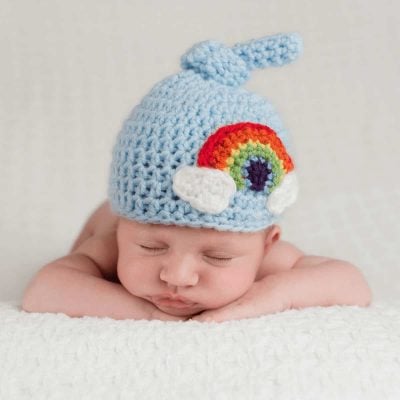
What Is a Rainbow Baby? Rainbow Baby Meaning & What It’s Like to Have One
Rainbow Babies Having a child after pregnancy loss, stillbirth, or neonatal death can be both exciting and terrifying. A child born after these traumatic events is usually called a rainbow baby. But while this rainbow baby definition is simple, the actual meaning of having a rainbow baby is much more complex. After suffering from recurrent […]
“The Unimaginable”: Navigating the Loss of a Child
I’m a huge Hamilton junkie. In fact, I’ve seen it live four times. So when my husband and I went on the first official day of parental leave, we spent the day watching the play we love so much on Disney+ and awaiting the call that our gestational carrier had gone into labor with our […]
How to Cope with Miscarrying Twins
I can remember the exact moment I found out I was pregnant. A few days prior, I went to the doctor because I had this unusual pain in my stomach. I remember the doctor asking me, “Do you think you could be pregnant?” And my response was, “Eh, I doubt it.” I never thought that […]
Looking for Signs After the Loss of a Child
My experience with the loss of a child starts every morning when there’s this moment, a brief fleeting moment, when you first wake up, before you are actually awake, where you don’t immediately focus on your child who died. It’s this brief second where you can maybe forget that your child died, that you are […]
One Mother’s Raw Story of Stillbirth
I knew he was dead. Before he was ever born, I knew he was dead. He was my miracle baby…a baby who had a heartbeat and a name and plans. After four miscarriages, we could finally get excited. Dreaming of colleges and majors and football games and laughter. And they were all dead. In one […]
Surviving the Loss of a Child: Michelle’s Story
To many, the loss of a child is completely unimaginable–something we shove into the darkest corners of our mind and fervently pray we never have to experience. For others, like Michelle Valiukenas, the loss of a much wanted baby is something that never goes away. Today we welcome Michelle, Colette’s mama and founder of the […]
11 Uplifting Rainbow Baby Quotes for Grieving or Expectant Parents
The loss of a pregnancy or child brings with it unprecedented anguish that can seem incomparable to anything else. Whether a parent has suffered a miscarriage or experienced stillbirth, this gut-wrenching experience can be one of the most devastating events of their lives. It’s no wonder so many hopeful parents find themselves searching for comforting […]
Miscarriage Support Groups Got me Through Recurrent Pregnancy Loss
When I had my first miscarriage, I learned at 8 ½ weeks that the pregnancy had ended before I even knew it’d begun. That is, I’d been carrying a nonviable pregnancy for over a month, and I had no idea. I wondered: Confused, angry, devastated, and dizzy with grief, I immediately went to Facebook. Why? I […]
What (Not) to Say To Someone Who Had a Miscarriage
It’s a question I'm asked regularly: “What do I say to someone who had a miscarriage?” Here's a helpful list of what to say, and what NOT to say.
Miscarriage Support: 9 Ways to Help
What do you do when you need to provide miscarriage support when a friend had a miscarriage? These 9 tips will help you give support after miscarriage.