
Miscarriage + Loss
Miscarriage + Pregnancy Loss
Miscarriage, also known as pregnancy loss, is a spontaneous and typically unexpected loss of a pregnancy before the baby can survive outside of the womb.
Our Top Miscarriage Articles
- Beth’s ectopic pregnancy story
- Our favorite miscarriage gifts
- Why you don’t have to attend a baby shower after miscarriage

Medical terms are at odds with the way most (though not all) women experience such loss. Scientifically, the baby is called an embryo or a fetus, and the miscarriage is referred to as an abortion. But, to most pregnant women, this is a personal loss that causes emotional grief, anxiety, depression, guilt, and self-blame. For the record, self-blame is totally unnecessary.
How many pregnancies end in miscarriage? Estimates suggest that up to 25% of pregnancies end in miscarriage, though many before a woman knows she’s pregnant. You can join the 1 in 4 community on Instagram.
Signs of Miscarriage
There are a few warning signs that you can look out for. Many pregnant women panic when they notice bleeding in the early stages of pregnancy.

Call your doctor if you experience red bleeding, but don’t panic. There are many reasons bleeding can occur during pregnancy that don’t result in pregnancy loss.
There are many potential causes of bleeding in early pregnancy, including implantation bleeding, subchorionic hematoma, and more.
Miscarriage Symptoms
Symptoms can include any or all of the following:
- light spotting to heavy bleeding
- back pain
- blood clots
- cramps.
A potential sign can be loss of regular pregnancy symptoms, but pregnancy symptoms themselves are not directly associated with miscarriage. Pregnancy symptoms may also regulate due to hormonal changes, and some women experience pregnancy with no symptoms at all.
Miscarriage Causes
There are a few causes that can induce a miscarriage, but Undefining Motherhood wants to be clear on one main point first: the miscarrying mother is not at fault. Exercising, drinking coffee, going to work, or having sex do not induce miscarriages.
Rather, miscarriages are almost always caused by genetic or physiological circumstances.
- Fetal genetic abnormalities: sometimes, during conception, chromosomes don’t work together to form a baby that can survive outside the womb
- Physical anomalies within the mother’s body: things like uterine abnormalities, blood clots, pools of blood in the gestational sac, major autoimmune disorders, et cetera
- Extreme trauma: car accidents and other tragic events that injure the womb

Note that trauma must be extreme. Many women endure experiences like bad car accidents and still carry a successful pregnancy. Research estimates that 50% of miscarriages are caused by genetic fetal abnormalities.
The Truth About Pregnancy Loss
Miscarriage is a tragic event that affects millions of women and their partners. At Undefining Motherhood, we want you to feel like you can openly talk about your loss and get to know other mothers who share similar experiences.
You are not alone!
What Is a Rainbow Baby? Rainbow Baby Meaning & What It’s Like to Have One
Rainbow Babies Having a child after pregnancy loss, stillbirth, or neonatal death can be both exciting and terrifying. A child born after these traumatic events is usually called a rainbow baby. But while this rainbow baby definition is simple, the actual meaning of having a rainbow baby is much more complex. After suffering from recurrent […]
How to Deal With Miscarriage: 7 Things I Wish I’d Known
Figuring out how to deal with miscarriage (both during and after the horrifying experience) is really hard. Because pregnancy loss has been been a relatively taboo for so long, most of us haven’t talked to a lot of women who’ve been through it. 1 in 4 pregnancies ends in miscarriage. And yet, we’re only recently beginning […]
What Happens When an Unplanned Pregnancy Ends in Miscarriage?
When you have an unplanned pregnancy, miscarriage is likely not your worry. But for Dawn, a miscarriage after unplanned pregnancy caused a world of grief.How to Support Someone After Miscarriage: Validate their Grief
What is the best way to be supportive of your friend during miscarriage? Many people wonder how to support someone after miscarriage, which is why we have so many resources on this subject. We’ve covered miscarriage support before, providing specific, actionable tips for helping a friend through a miscarriage. We also have a great article […]
Dear Infertility Mom, Skip the Baby Shower After Miscarriage
Dear infertility mom (yes, you are a mom to me), I’m here as your personal permission slip. From this point forward, consider yourself fully exempt from going to baby showers after miscarriage or infertility. I also give you permission to say no to hosting a baby shower after miscarriage or infertility. And if you are […]
Jackson’s SIDS Story and How His Mom Found Joy in His Honor
Jamie tells the story of her son, Jackson, lost to SIDS when he was just shy of 1 month old. Read Jackson's story and learn about the fulfilling life Jamie has built in his honor.
5 Tips for Coping with Pregnancy Anxiety After Miscarriage
Pregnancy after loss can be emotionally draining. Thanks to great mental healthcare, I developed a lot of coping mechanisms for making it through pregnancy after loss. Read my story & find my top 5 tips for coping with pregnancy anxiety.
Nicole’s Forbidden Late Term Abortion Story: What You Need to Know
One mom tells her late term abortion story about a wanted pregnancy that became the medical abortion story of her worst nightmares.
Coping with Miscarriage: Helpful Tips for Surviving Grief
Coping with miscarriage grief is overwhelming, and few people know how to help. Here, find resources to help you cope and teach others to support you.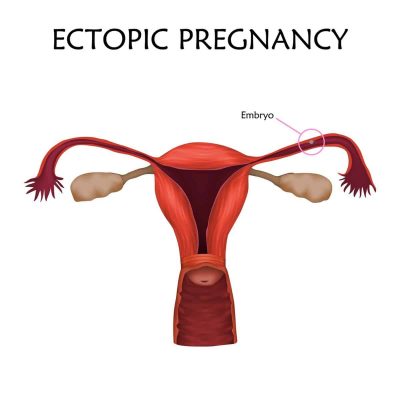
Beth’s Ectopic Pregnancy Story: Talking About It Can Save a Life
Many pregnant women fearfully search for ectopic pregnancy stories at the slightest hint of a twinge in their sides. Here, one mother's ectopic pregnancy story discusses symptoms, treatment, and recovery.